
When buyers request a mobile light tower quote, it is tempting to ask only for the price of a standard model. However, two towers that look similar can be designed for very different operating conditions. The application, required runtime, mast system, transport method and local service conditions all affect the recommended configuration.
Providing clear project information at the beginning helps the supplier recommend a practical model, prepare a more accurate quotation and reduce unnecessary revisions. Before contacting a manufacturer, collect the following seven details.
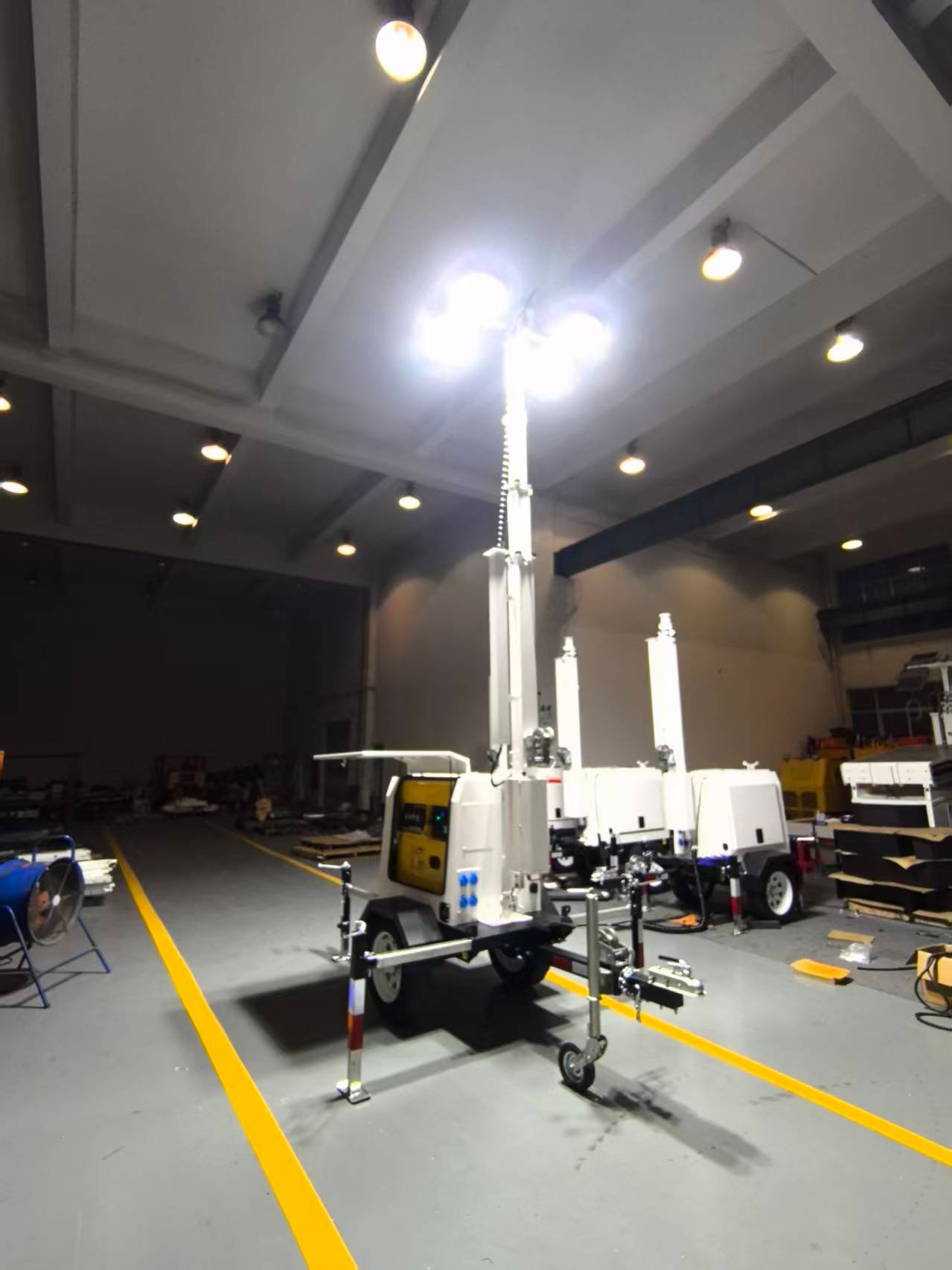
1. Application and Working Environment
Start by explaining where the lighting tower will be used. A road construction project, open-pit mine, equipment rental fleet, emergency response operation and remote security site may have different priorities.
Useful information includes:
- Type of project or industry
- Indoor or outdoor operation
- Ground conditions and terrain
- Dust, rain, heat, cold or coastal exposure
- Expected wind conditions
- Whether the tower will remain in one position or move frequently
This information helps the supplier consider the chassis, stabilisers, enclosure, mast and lighting arrangement as one complete system. For demanding environments, the supplier may also need to discuss maintenance access and component protection.
2. Required Lighting Area
Do not select LED fixtures by wattage alone. Tell the supplier the approximate working area, the distance that needs to be illuminated and the type of work being performed.
For example, workers carrying out detailed maintenance may need a different lighting arrangement from a team illuminating a wide storage yard. The number of fixtures, beam pattern, mounting angle and mast height all influence the usable light on the ground.
If possible, provide a simple site drawing or photographs showing the work zone. The supplier can then recommend a suitable lighting layout instead of relying on a single headline wattage figure.
3. Operating Hours per Day
Daily operating time is one of the most important details for selecting a diesel, solar or hybrid system.
Tell the supplier:
- Expected hours of operation each night
- Number of working days per week
- Whether the tower must operate continuously through the night
- Whether sunlight is reliable at the project location
- Whether refuelling or grid power is available nearby
A diesel light tower can be suitable for long or variable working hours where fuel supply is practical. A solar model may be attractive for quiet, off-grid operation when the available solar resource and battery reserve match the duty cycle. A hybrid configuration can combine different power sources for projects that require additional flexibility.
For an overview of available options, see LUMTA’s mobile lighting tower range.
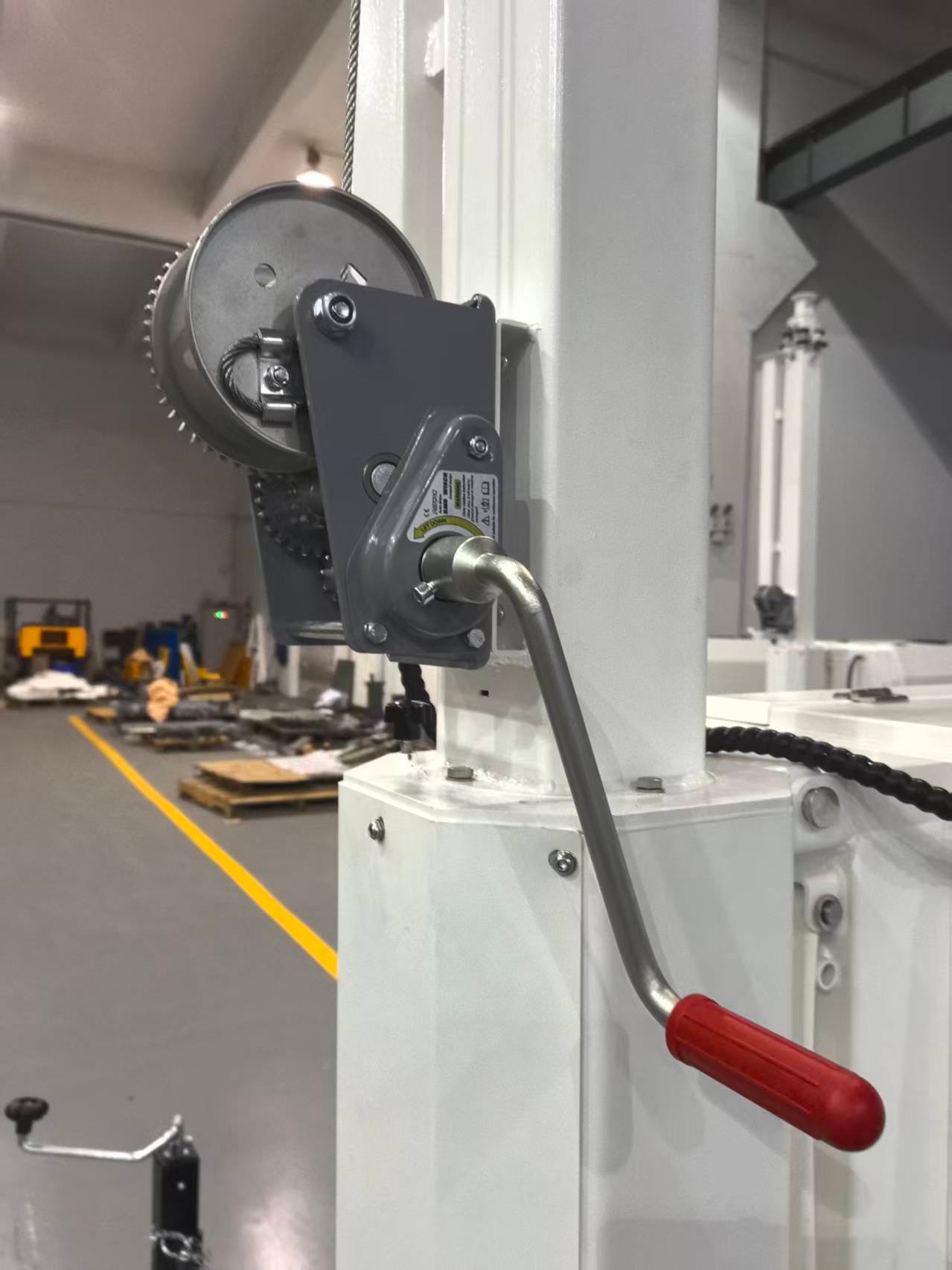
4. Preferred Mast Height and Lifting Method
Buyers should specify the required operating height and how often the mast will be raised or lowered.
A manual winch mast offers a straightforward structure and can be practical when the tower remains in position for longer periods. A powered mast can reduce operator effort and improve deployment efficiency when equipment is moved frequently.
Mast height should not be considered in isolation. The chassis, stabilisers, centre of gravity, fixture arrangement and wind-facing area must be appropriate for the complete design. If you are uncertain, describe the application and allow the supplier to recommend a mature configuration.
You can also read our guide to manual and hydraulic light towers.
5. Deployment and Transport Requirements
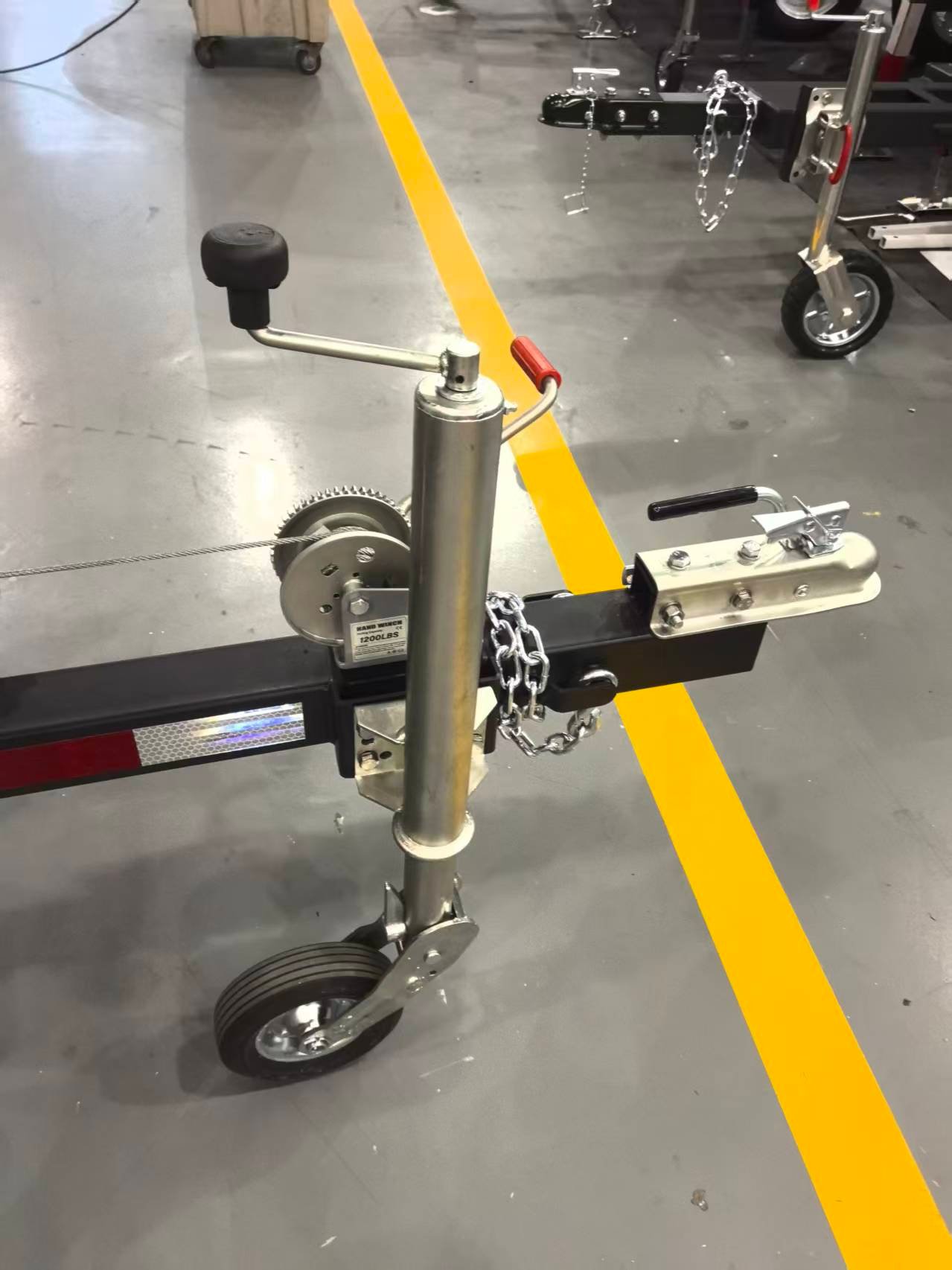
Explain how the light tower will reach the worksite and how often it will be moved. Important questions include:
- Will it be towed on public roads or moved only within a closed site?
- What towing vehicle will be used?
- Are there limits on packed dimensions or weight?
- Will the order be shipped by container?
- How many units are planned for the first and future orders?
- Is on-site assembly acceptable after delivery?
Transport requirements can affect the chassis, drawbar, wheels, stabilisers and packing method. Confirm packed dimensions and loading plans before placing a bulk order, especially when the mast or wheels may need to be removed for container shipping.
6. Local Fuel, Service and Spare-Parts Conditions
The best configuration is one that can be operated and maintained locally. Tell the supplier what fuel is available, whether trained technicians are nearby and which engine or electrical component brands have local service support.
Remote projects may benefit from a simple structure, accessible service points and a practical spare-parts package. Rental fleets may place greater emphasis on standardisation because common components can simplify training, stocking and maintenance across multiple units.
Ask the supplier to identify routine maintenance items, recommended spare parts and the information required when reporting a fault.
7. Quantity, Destination and Required Delivery Time
A useful quotation should include more than the unit price. Provide the required quantity, destination country or port and expected delivery schedule.
These details allow the supplier to review production planning, packing, freight assumptions and documentation. If the project is still at the budgeting stage, state that clearly and provide an estimated purchasing window.
For a more efficient comparison, ask every shortlisted supplier to quote against the same project information and specification. This makes differences in equipment, included accessories and commercial terms easier to identify.
A Simple Enquiry Checklist
Before sending your request, prepare:
- Application and worksite conditions
- Approximate lighting area
- Required operating hours
- Preferred power source, if known
- Mast height and lifting preference
- Transport and deployment method
- Quantity, destination and target delivery date
Photographs, site drawings and existing equipment specifications can also help. If some information is unknown, explain the project goal and ask the supplier to propose a suitable configuration.
Request a Project-Based Recommendation
LUMTA supplies diesel, solar and hybrid mobile lighting towers for construction, mining, rental, roadwork, emergency and remote-site applications. Send us your project information using the checklist above, and our team can recommend a practical configuration for review.
Contact LUMTA for a mobile light tower quote.
Compare options before requesting a quote
Use the mobile light tower price guide and buyer resources to compare configurations before sending your project requirements.