
How long can a diesel light tower run before refuelling? The correct answer depends on the exact machine, its fuel-tank capacity, engine, generator load, lighting demand and operating conditions.
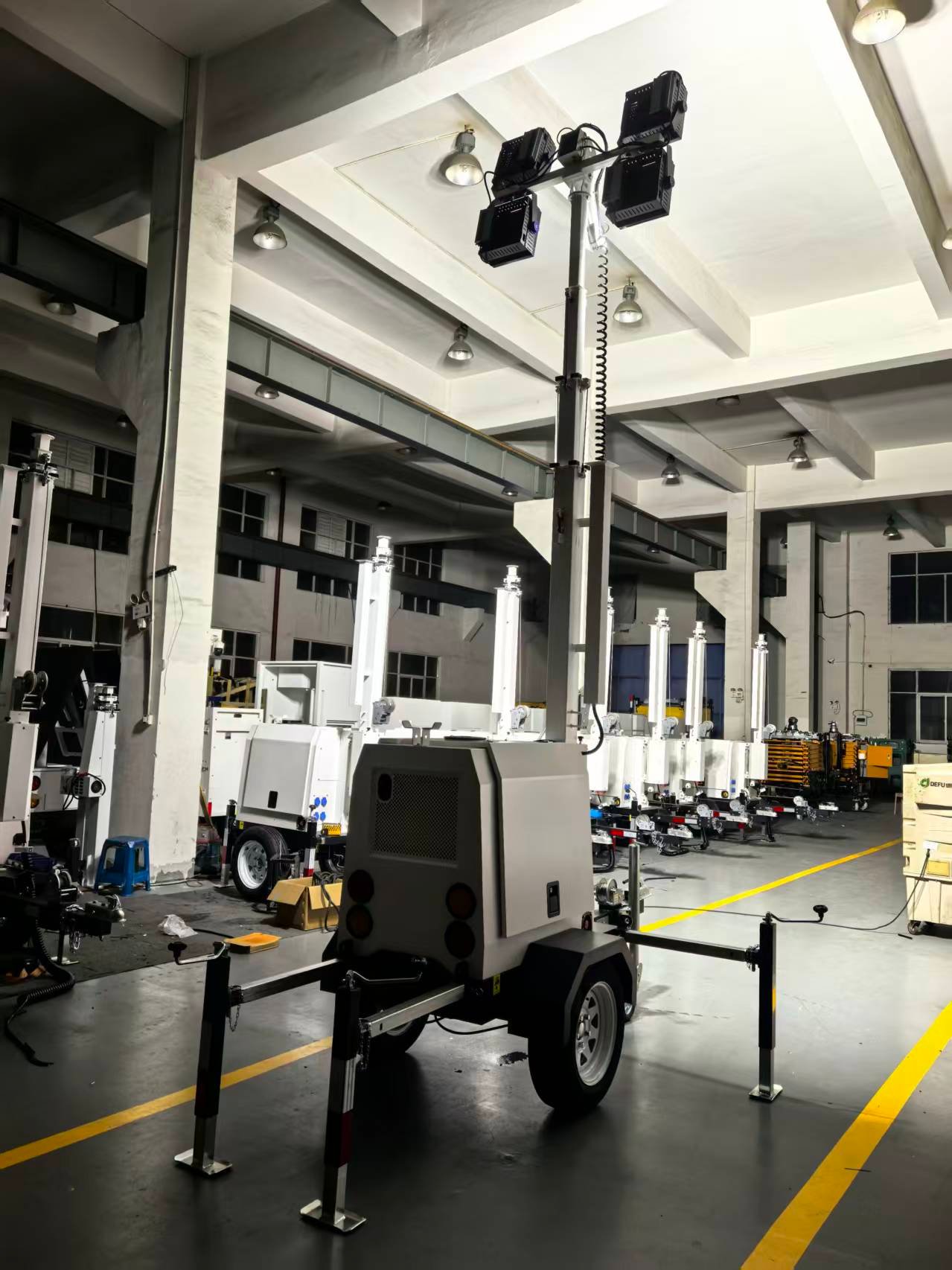
Buyers sometimes compare light towers using only an advertised maximum runtime. That number can be useful, but only when the test conditions and equipment configuration are clear. A practical purchasing decision should consider expected fuel use across the complete work shift.
The Basic Runtime Calculation
Estimated runtime can be calculated with a simple formula:
Estimated runtime = usable fuel capacity ÷ average fuel consumption per hour
If a machine has a known usable fuel volume and a verified hourly consumption rate at the expected load, dividing those figures gives an initial runtime estimate. A reserve should still be maintained rather than planning to consume every litre in the tank.
The calculation becomes unreliable when the fuel-consumption figure comes from a different engine, electrical load or operating condition. Buyers should therefore request model-specific information.
1. Fuel-Tank Capacity
Tank capacity establishes the maximum fuel available between refuelling stops. However, nominal tank volume and usable fuel volume may not be identical. Space may be required for fuel expansion, and operators normally keep a reserve to avoid running the system dry.

When comparing quotations, ask whether the stated capacity is total or usable capacity. Also check where the filler, level indication and drain points are located and whether they remain accessible during normal operation.
2. Electrical Load
A generator does not always consume fuel at one fixed rate. Consumption changes with engine load, which is influenced by the LED floodlights and any other equipment powered by the generator.
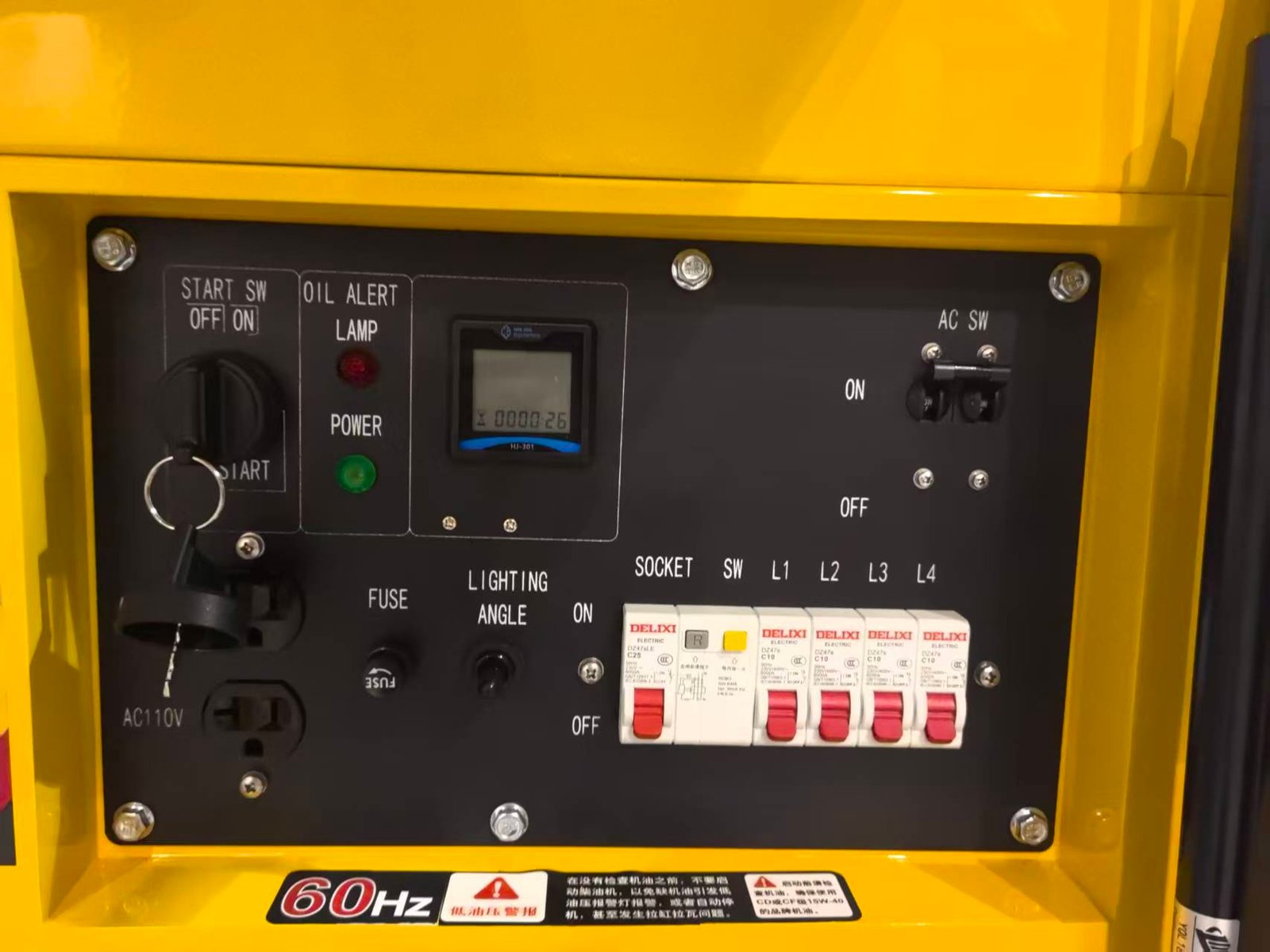
Four lighting circuits, auxiliary sockets and other electrical loads can create different operating conditions. A runtime figure measured with only part of the lighting system operating should not be treated as equivalent to full-load operation. Ask the supplier which lights and auxiliary loads were active when the figure was obtained.
3. Engine and Generator Matching
The engine and generator should be matched to the intended lighting load. An oversized or poorly matched system can operate inefficiently, while a system with insufficient capacity may not support the required equipment reliably.
Buyers should compare the complete package rather than engine power alone. The generator rating, LED demand, control system and available auxiliary power all contribute to the real working load.
4. LED Lighting Configuration
LED quantity, wattage and control arrangement influence power demand. Individually switched lighting circuits can allow operators to use only the lamps required for a particular work zone.
Lower electrical demand can reduce generator load, but it also changes the available illumination. The objective should be to provide the necessary light safely and efficiently—not simply to operate the fewest lamps.
5. Site and Environmental Conditions
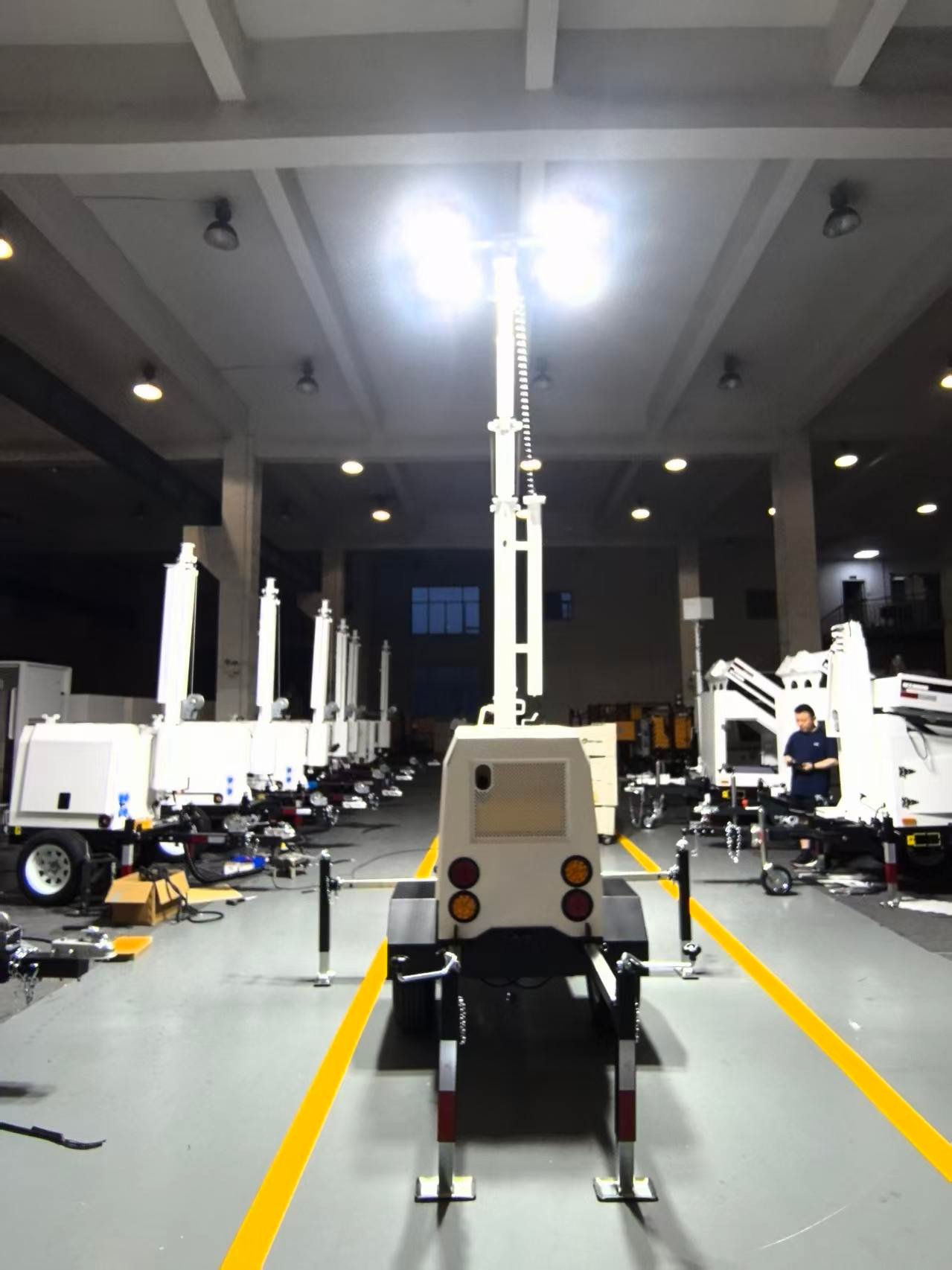
Temperature, altitude, dust, fuel quality, maintenance condition and operating practice can all affect performance. Heavy dust can restrict airflow if filters and ventilation paths are not maintained. High altitude and extreme temperatures may also influence engine output.
Runtime estimates should therefore include a reasonable operating margin, especially for remote projects where refuelling is difficult.
6. Maintenance Condition
A poorly maintained engine may use more fuel or fail to deliver consistent output. Air filters, fuel filters, engine oil, cooling airflow and electrical connections should be inspected according to the manufacturer’s instructions.
The hour meter on the control panel helps operators schedule maintenance and record utilisation. Accurate records also make it easier for rental companies and project managers to compare actual fuel use with planned consumption.
How Buyers Should Compare Runtime Claims
- Which exact light tower model was tested?
- What was the fuel-tank capacity and usable fuel volume?
- Which engine and generator were installed?
- How many lamps were operating?
- What was the total electrical load?
- Was auxiliary equipment connected?
- What site conditions applied during the test?
- Was the result measured or calculated?
A specific answer is more useful than a maximum figure without test conditions.
Planning Fuel for a Project
To estimate project fuel demand, multiply the expected hourly consumption by daily operating hours and the number of machines. Then add a suitable reserve for refuelling delays, unexpected overtime and site conditions.
For rental fleets, record actual operating hours and fuel added to each unit. Over time, this produces better cost data for different models and applications. Buyers should also consider refuelling access, fuel storage rules, transport frequency and the labour needed to service multiple towers across a large site.
Runtime Is Only One Part of the Decision
Long runtime can reduce refuelling frequency, but it should not be evaluated alone. Lighting performance, mast operation, trailer stability, maintenance access, noise, transport dimensions and support availability are also important.
A light tower that provides a realistic work-shift runtime with convenient servicing may be more practical than a larger machine selected only for the biggest advertised number.
Request a Model-Specific Estimate
LUMTA supplies diesel mobile light towers for construction, roadwork, mining, rental and emergency applications. Review our diesel mobile light tower range and mobile light tower buyer resources.
For a useful runtime estimate, send the required model, quantity, destination, daily operating hours, lighting load and any auxiliary equipment. Contact LUMTA to discuss specifications, configuration and pricing.
Review a current diesel configuration
See the D955 hydraulic diesel light tower and the diesel model range. Fuel consumption and operating time must be confirmed for the quoted engine, tank, electrical load and site conditions.