
Manual vs hydraulic light towers: which mast system suits your project? This guide compares setup effort, maintenance, purchase cost and site requirements to help you choose lighting equipment for construction, roadwork, mining and rental fleets.
The right choice depends on how often the tower is deployed, operator workload, the required equipment configuration and access to maintenance support. Neither lifting method is automatically the best choice for an entire industry. Compare the complete machines and their documented specifications, not just the mast mechanism.
What Is a Manual Light Tower?
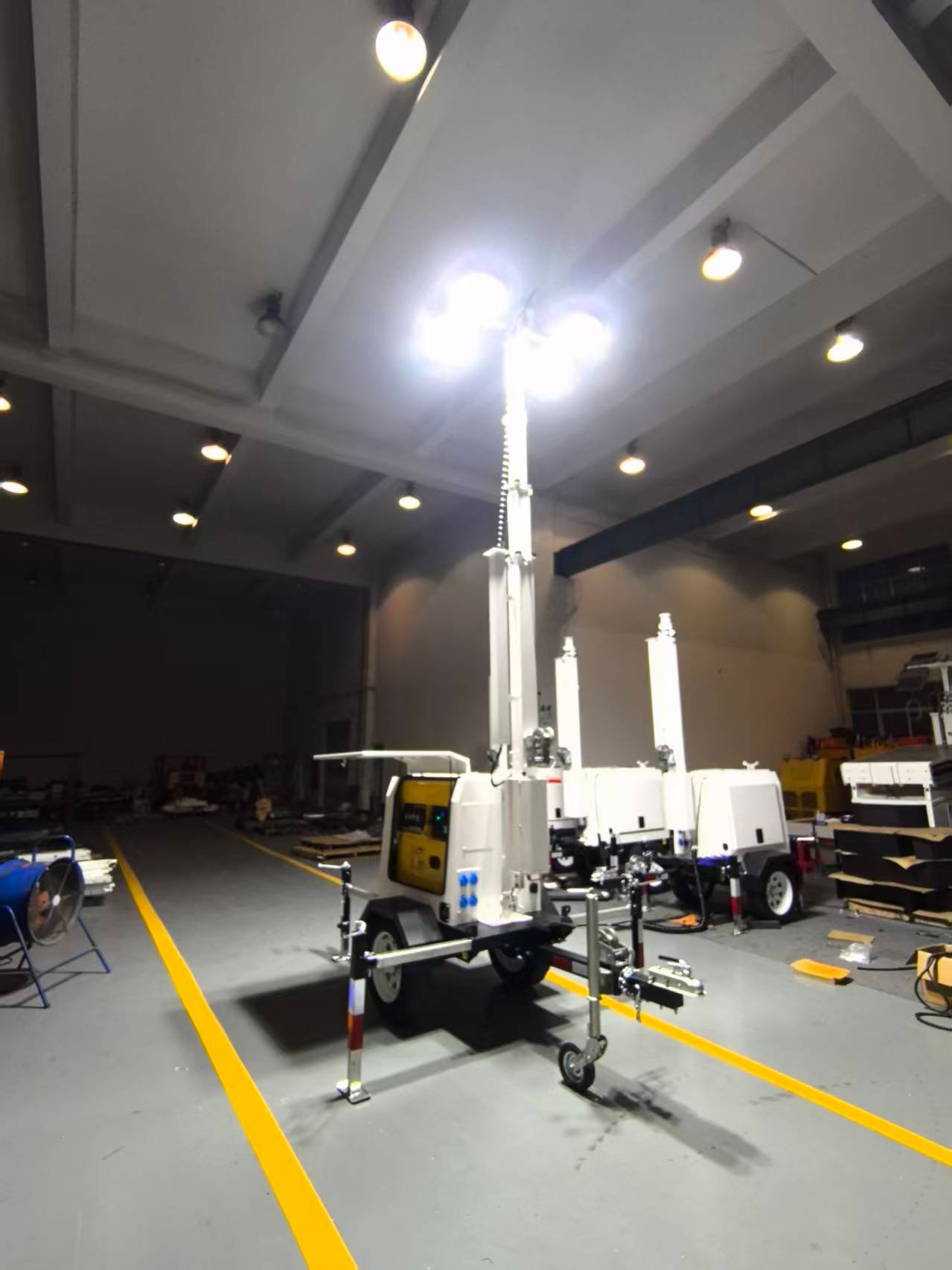
A manual light tower normally uses a hand winch to raise and lower the mast. Mast lifting does not require a hydraulic system, although the tower still needs a power source for its lights.
For a current product example, review the D951 manual winch light tower and confirm the mast height and ordered configuration.
A manual system can be practical when the tower remains in one position for extended periods and the operating procedure suits the site team. It can also be considered for remote projects where straightforward servicing is important.
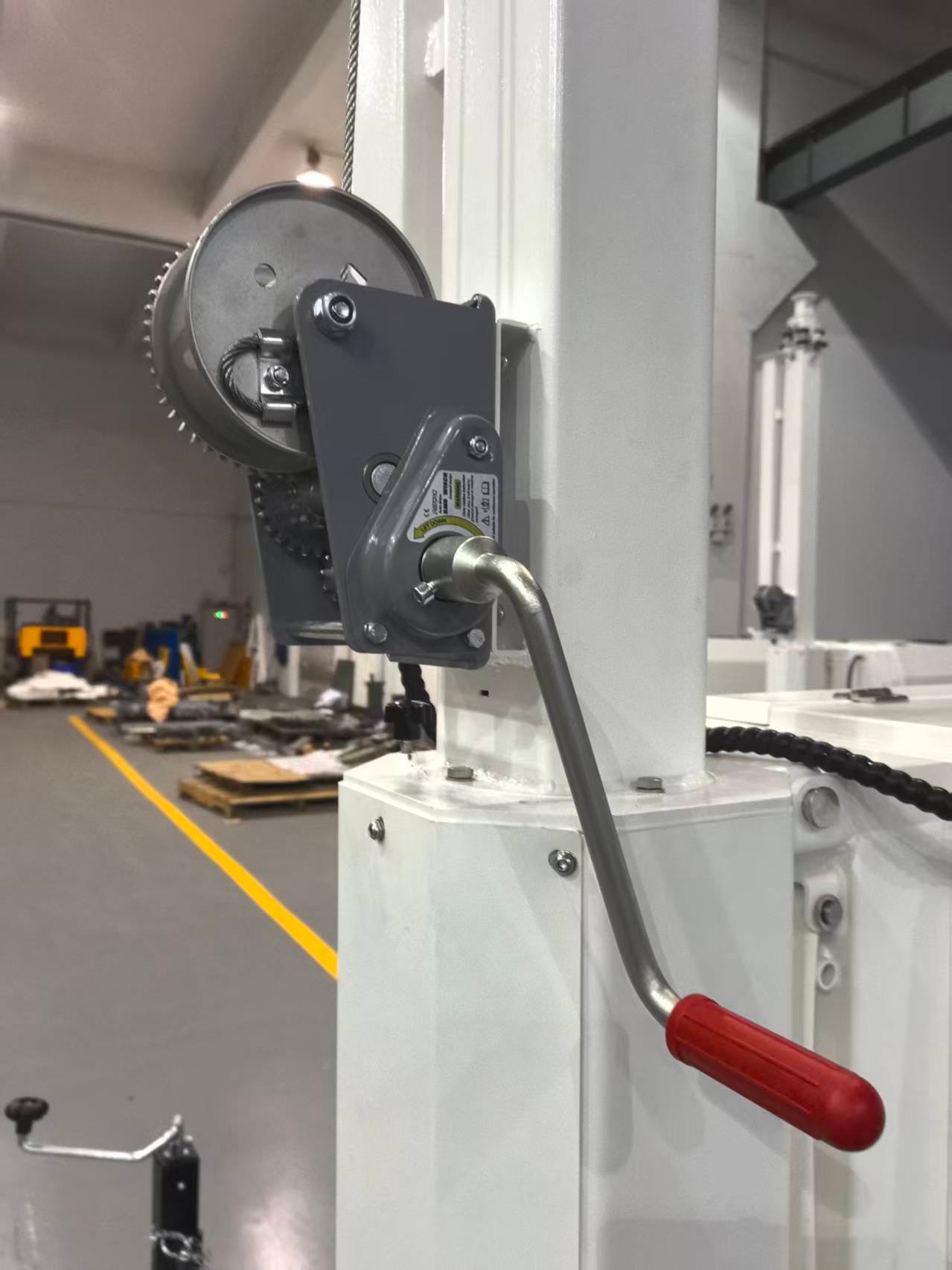
Reasons to consider manual lifting include:
- A potentially lower initial cost when comparing otherwise similar configurations
- No hydraulic lifting circuit to service
- A practical option for infrequent mast adjustment
- Maintenance arrangements that suit the available local support
Manual lifting requires physical effort. Before ordering, review the operating instructions and ask for a demonstration of the quoted model. A simpler mechanism does not remove the need for inspection and maintenance.
What Is a Hydraulic Light Tower?
A hydraulic light tower uses a powered hydraulic system to raise and lower the mast. Some models also offer hydraulic stabilisers, but mast lifting and stabiliser operation are separate configuration details that should be confirmed in the quotation.
Compare the D955 9 m hydraulic light tower for its current lighting specification, engine options and quotation requirements.
Hydraulic lifting may be useful when towers are raised, lowered or relocated frequently, particularly where reducing manual effort matters. Mining and large infrastructure projects can use either manual or hydraulic models; the choice depends on deployment frequency, operator workload, site requirements and access to maintenance support.
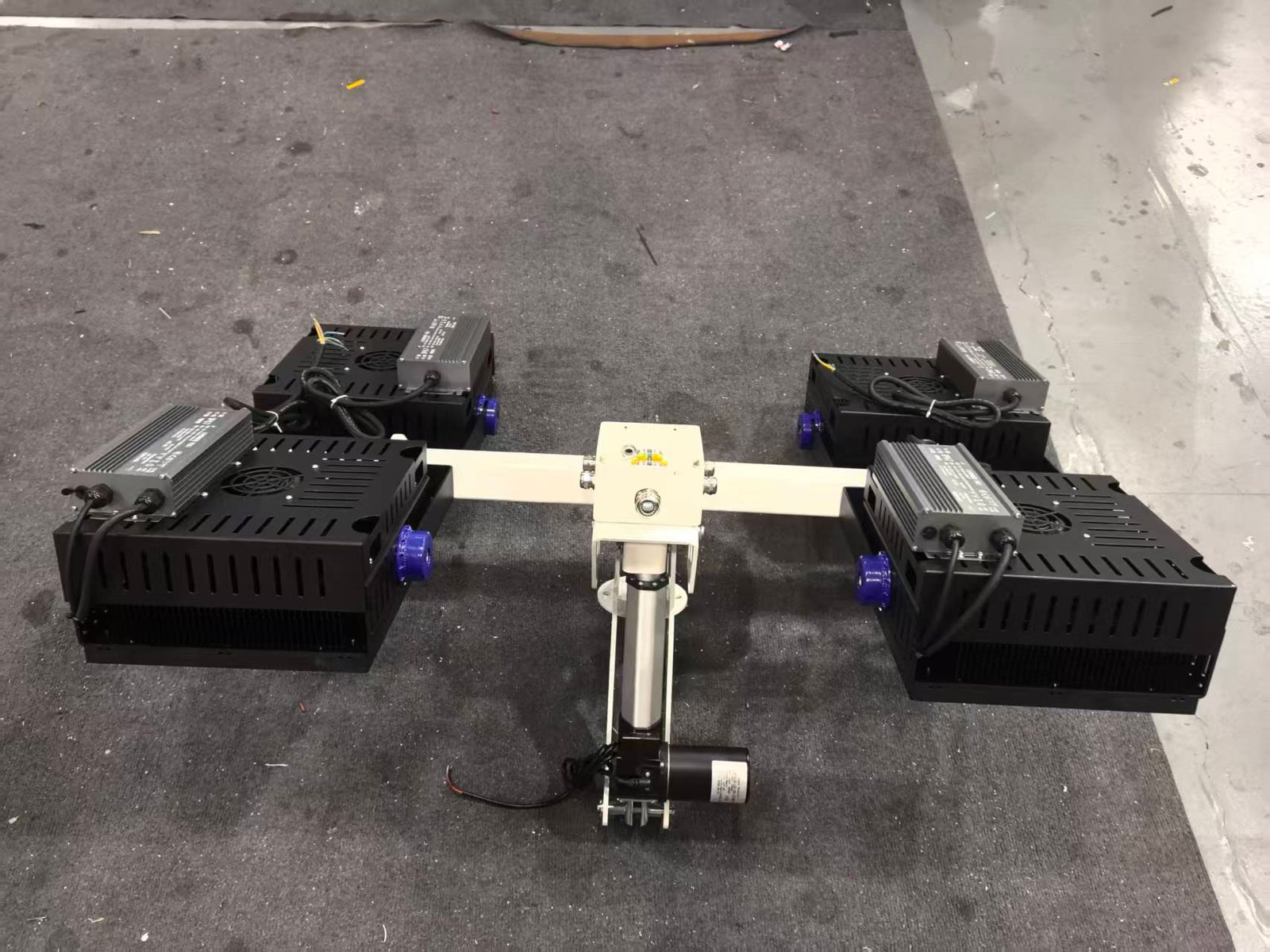
Reasons to consider hydraulic lifting include:
- Reduced manual lifting effort
- Potentially faster mast raising, depending on the model
- Convenient operation when frequent deployment is required
- Availability on configurations designed for taller or heavier mast assemblies
These potential benefits should be weighed against the purchase quotation, service requirements and spare-parts availability. Hydraulic lifting alone does not establish a tower’s lighting performance, wind stability or suitability for a particular site.
Manual vs Hydraulic Light Towers: Key Buying Considerations
If electric or pneumatic lifting is also on your shortlist, use our four-way light tower mast comparison to compare the current D951, D953, D955 and D957 configurations.
1. Purchase Cost
When comparing towers with similar mast heights, lighting packages and chassis specifications, a manual winch system will often have a lower initial purchase cost. However, the actual price also depends on the engine, generator, structural design and included options.
Compare quotations for equivalent configurations rather than assuming every hydraulic model costs more than every manual model. Any additional investment in hydraulic lifting should be assessed against deployment frequency, operator workload and expected maintenance costs.
2. Operating Efficiency
A manual mast can be practical when the tower remains in one position for extended periods. Hydraulic lifting may reduce physical effort and shorten mast-raising time, but total setup time also includes positioning, stabilisation and pre-use checks. Compare the operating procedures and demonstrated setup times of the specific models under consideration.
Tell the supplier how many times each tower will be raised, lowered or relocated per shift. This makes the comparison more useful than a general claim that one system is always faster.
3. Mast Height and Lighting Requirements
Do not assume that a manual mast is always short or that a taller mast must be hydraulic. Mast height is a configuration detail that should be checked against the actual model and order specification.
The current D951 product page lists a 7.5 m manual winch configuration and also describes a separate mining delivery with 9 m manual-winch masts. This illustrates why model names and application labels are not enough to determine the lifting arrangement.
Provide the work-area dimensions, obstacles and required illuminance, if specified. Ask for a lighting layout for the proposed configuration rather than selecting equipment only by mast height or LED wattage.
4. Wind Stability and Site Conditions
Wind stability depends on the complete tower, not simply whether its mast is manual or hydraulic. Review the manufacturer’s documented operating limits and the requirements for the supplied configuration.
Items to confirm include:
- Chassis dimensions and weight
- Stabiliser arrangement and required setup space
- Mast structure and operating height
- Lighting fixture size and wind-facing area
- Documented wind limits and any supporting test information
- Ground conditions and site access restrictions
Use the model-specific operating manual and site safety procedures for deployment. Product photographs and lifting-system labels are not substitutes for technical documentation.
5. Maintenance and Local Support
A manual winch system avoids hydraulic lifting components, but it still requires the inspections and servicing specified by its manufacturer. Review the maintenance requirements for the winch, cable, mast and associated components before adding the unit to a fleet.
Hydraulic systems add service considerations for items such as hoses, cylinders, seals, connections and fluid. Confirm the maintenance schedule, spare-parts supply and availability of suitable service personnel for the quoted model.
For remote sites, the more practical choice is the one your team can operate and maintain reliably—not necessarily the system with the fewest components or the most powered functions.
6. Transportation and Delivery
Compare transport dimensions, weight, towing arrangements and delivery requirements alongside mast operation. Depending on the configuration and packing plan, some components may need to be removed for shipping.
Ask the supplier for packed dimensions, container-loading quantities and any required assembly instructions. Also clarify whether movement will be limited to the worksite or will include public-road towing.
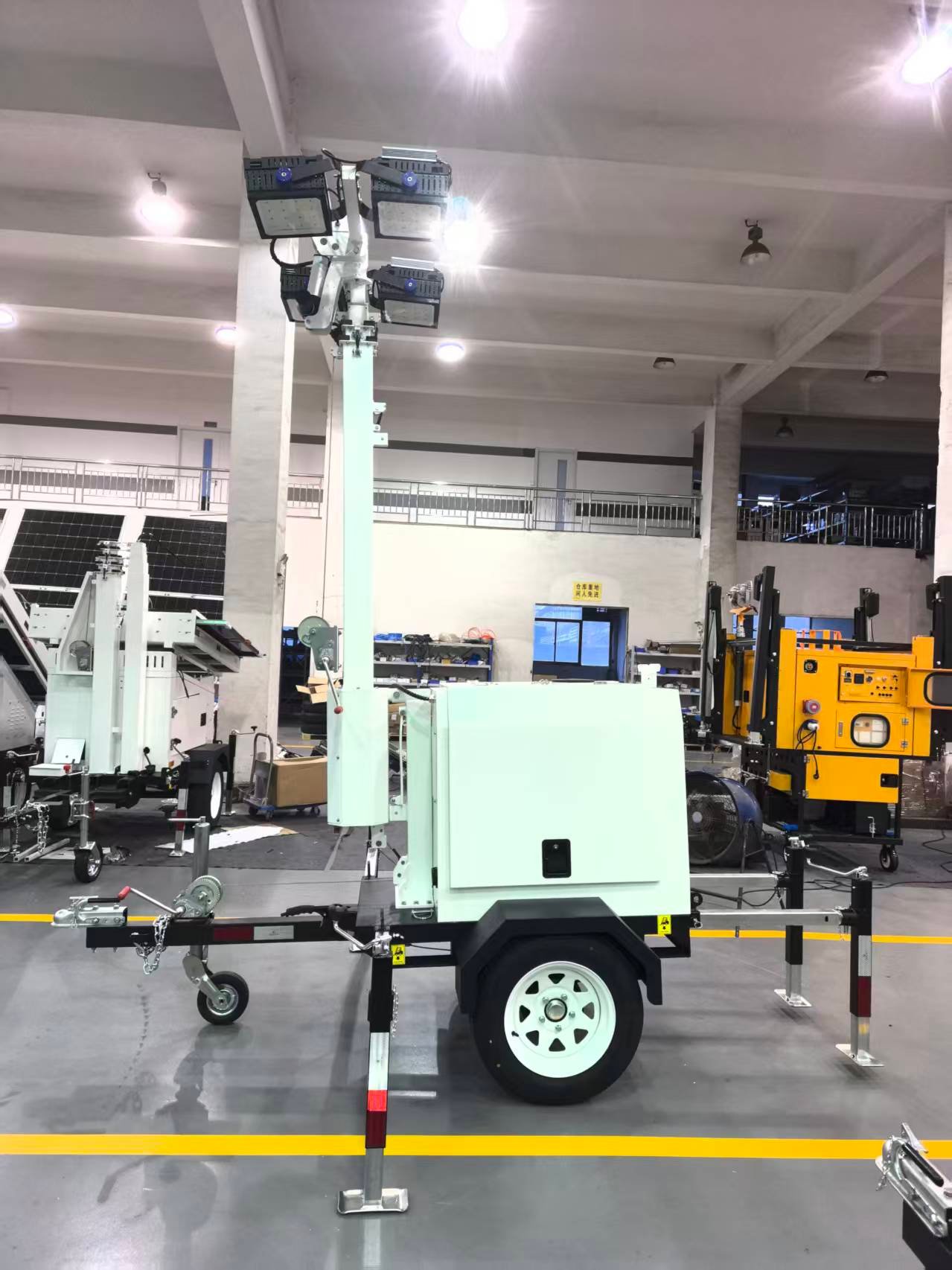
Which Light Tower Should You Choose?
A manual light tower may be suitable if:
- The tower will remain in one position for extended periods
- The required lifting effort and operating procedure suit the site team
- The quoted configuration meets the project’s lighting and structural requirements
- Initial purchase cost is important
- The available maintenance support suits a manual winch system
A hydraulic light tower may be suitable if:
- The mast will be raised and lowered frequently
- Reducing manual lifting effort is an operational priority
- A demonstration confirms a useful setup-time benefit for your workflow
- The quoted configuration meets the site’s lighting, transport and structural requirements
- Suitable hydraulic servicing and spare parts are available
For a mine, road project or rental fleet, apply the same selection process. Define the working conditions first, then compare the specific machines that meet them.
Do Not Select a Light Tower by Price Alone
Two towers may look similar while using different components and structural designs. When reviewing quotations, compare the mast, lifting method, LED fixtures, engine, generator, fuel requirements, chassis, axle, stabilisers, documented operating limits and spare-parts support.
Consider the total cost of ownership, including purchase, transport, deployment labour, scheduled servicing and potential downtime. Ask suppliers to identify assumptions and exclusions so that the quotations can be compared fairly.
Get a Recommended Configuration
There is no single light tower configuration suitable for every project. Tell LUMTA your application, deployment frequency, lighting hours, site conditions, transportation requirements and target budget. These details help compare practical manual and hydraulic options.
Start with quantity, destination country, application and lighting hours per night. If known, include the work-area dimensions and how often the tower will move. You can ask for help choosing the lifting method before finalising the technical details.
[…] You can also read our guide to manual and hydraulic light towers. […]
[…] LUMTA’s mobile light tower range and read the guide to manual vs. hydraulic light towers. For specifications, configuration options and quotations, contact LUMTA through the inquiry […]