
Two hydraulic light towers can have the same mast height and still be very different purchases. One quote may include the engine, LED lamps and trailer you need; another may leave the fuel tank, auxiliary power or freight arrangements unclear. Before choosing a hydraulic light tower for sale, compare the complete configuration and delivery scope—not just the unit price.
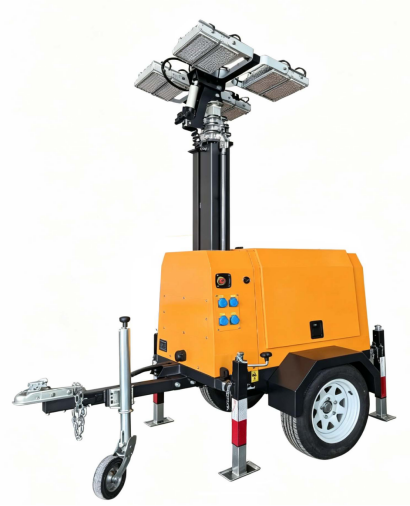
This guide helps contractors, equipment rental buyers and procurement teams turn competing offers into a usable shortlist. If you are considering a 9 m hydraulic diesel unit, the LUMTA D955 provides a starting configuration to discuss: a hydraulic mast, four 400 W LED lamps and Kubota Z482 or D1105 engine options. The selected engine, generator, fuel tank and destination requirements must be confirmed in the quotation.
Send your quantity, destination country, application and operating hours per shift. Ask for the D955 configuration, pricing and delivery scope in one written offer.
1. Put both quotes on the same configuration basis
Start with the job the equipment must do: the area to illuminate, required light level, nightly operating hours, frequency of relocation and access for refuelling. Send the same brief to each supplier. A lower offer is only comparable when it covers the same duty and supply scope.
A hydraulic mast is relevant when crews regularly raise and lower the tower. It does not, by itself, prove lighting coverage, fuel economy or suitability for a particular site. If the lifting method is still undecided, read our manual versus hydraulic light tower guide before comparing hydraulic models.
| Quote item | What to confirm | Why it affects the purchase |
|---|---|---|
| Mast and deployment | Raised height, hydraulic lifting arrangement, stabilisers and operating instructions | The tower must suit the site and the crew’s deployment process. |
| LED lamps and coverage | Number and wattage of lamps, aiming arrangement, required lux level and supporting lighting layout | Nominal wattage or lumens alone do not define usable site coverage. |
| Engine and generator | Exact engine model, generator rated output, voltage, phase and frequency | Engine power and available electrical output are different specifications. |
| Fuel and runtime | Usable tank capacity, consumption conditions and expected runtime with the intended load | The offer should support your shift and refuelling plan. |
| Trailer and transport | Transport dimensions and weight, towing connection, brakes where required and destination documentation | A towable chassis does not automatically settle local road requirements. |
| Options and accessories | What is standard, optional, separately priced or excluded | Accessories can change both the total cost and the delivered capability. |
For the D955, ask the supplier to identify the selected Kubota engine option and the matching generator package. If auxiliary outlets are needed, specify the equipment you intend to connect. Do not assume the full generator rating remains available while all lamps are operating.
2. Compare runtime and lighting under stated conditions
Ask a practical question: “Can the quoted package run our planned shift with all required lamps on, and when will it need refuelling?” A headline runtime without a tank capacity or load condition is insufficient for that decision. Lighting load, auxiliary equipment and operating conditions should be stated alongside the estimate.
Published equipment specifications also show why the conditions matter. For example, AGG’s KL1400L5T specification states its lighting coverage at a defined lux level and describes runtime with the lamps on. Those figures belong to that model; they are not D955 performance claims. Apply the same discipline when requesting comparable evidence for each offer.
For an open work area, request a lighting layout using your dimensions and target illumination. For a site with machinery, buildings or changing work zones, include those constraints in the brief. Ask how many towers the supplier recommends and on what basis. Buying fewer units is only a saving if the arrangement meets the lighting requirement.
Use our diesel light tower runtime and fuel planning guide to prepare the operating brief. For remote jobs, also explain who will refuel the units and how often access is possible.
3. Separate equipment price from the delivered scope
Record the quoted currency, quantity, named delivery location, trade term, freight scope and exclusions. A factory collection offer and an offer that includes transport to a named port are different cost bases. Ask your freight or import provider to confirm destination charges, clearance and applicable taxes before treating an equipment quote as a delivered budget.
Transport deserves its own review. Confirm packed dimensions, shipping weight, loading arrangements and any disassembly required. If you plan to tow the tower on public roads, ask what documents are supplied and check the requirements for your destination. Do not assume approval in one market carries over to another.
Before placing an order, request the inspection scope, manuals, parts list, warranty terms and claims procedure. Clarify which spare parts are included, which are recommended and how replacements are supplied. Ask when the delivery schedule starts and which configuration or document approvals are needed. Record the answer in the offer rather than relying on a general website statement.
Our pre-delivery inspection checklist can help define the evidence you want before dispatch.
4. Use a short comparison sheet before approving an order
Copy the following questions into your purchasing worksheet. For each supplier, record the quoted answer and mark anything unresolved. A missing specification is a clarification item, not a reason to assume the cheapest configuration includes it.
- Configuration: Are mast height, lamps, engine, generator and fuel tank clearly identified?
- Duty: Is runtime stated for our planned lighting and auxiliary load? Is the lighting arrangement supported for our site?
- Supply scope: Are trailer equipment, options, spares and documents included or separately priced?
- Delivery basis: Are the named location, freight responsibility, exclusions and schedule clear?
- After-sales support: Are warranty coverage, claims steps and replacement parts arrangements written down?
If an optional remote monitoring package is requested for the D955, ask for its functions, communications requirements and any ongoing service charges separately. Include it in the comparison only when it addresses a real fleet-management need.
Request a hydraulic light tower quote with a clear project brief
You do not need a completed engineering specification to start an enquiry. Send the information you have and identify what remains open. LUMTA can discuss the D955 configuration against that brief; price, lead time and supply scope are confirmed in the written quotation.
Copy the template, replace the bracketed fields and paste it into the enquiry form. Leave unknown details as “Please recommend”.
Still comparing models? Review the diesel mobile light tower range or the D955 product specifications before requesting a configured offer.