
When buyers compare mobile lighting towers, they usually begin with visible specifications such as mast height, LED wattage, engine brand and fuel capacity. However, the long-term reliability of a tower also depends on how its structural components are fabricated, prepared and assembled.
The mobile light tower manufacturing process includes much more than installing a generator and several floodlights on a trailer. Metal cutting, welding, surface preparation, coating, mast assembly, electrical work and final inspection all influence the finished machine.
This article gives buyers a practical look at the main production stages inside a mobile lighting equipment factory.
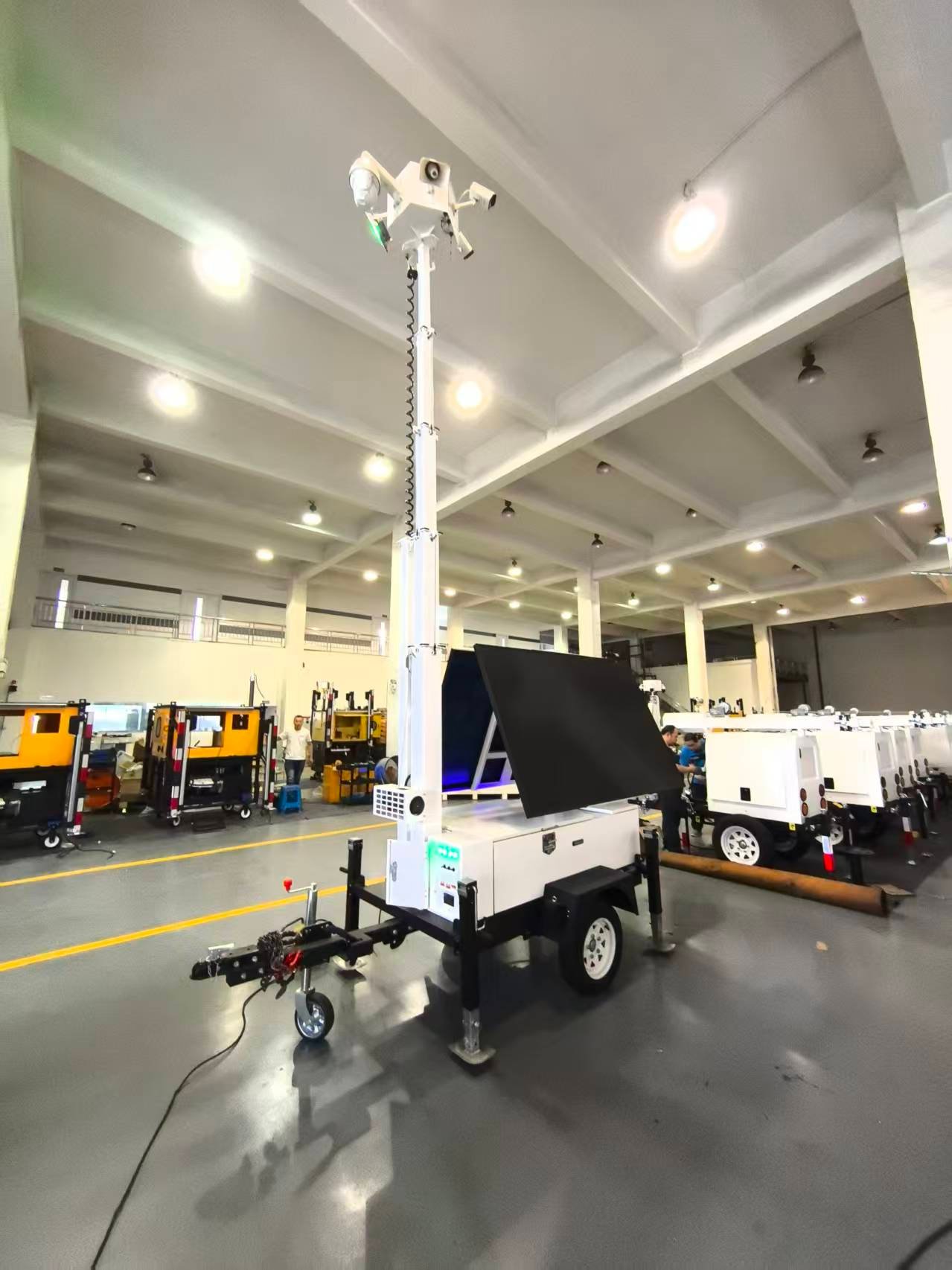
1. Design Review and Production Preparation
Production begins with a confirmed configuration. The manufacturer must know the intended application, power source, mast type, lighting arrangement, chassis structure and transport requirements before releasing components to the workshop.
A diesel tower, solar tower and mobile surveillance trailer can share some structural principles while requiring different enclosures, internal layouts and electrical systems. Mature designs help reduce unnecessary changes during production and make component positions, service access and transport dimensions easier to control.
Before fabrication, the team prepares drawings, material requirements and component lists for the selected model.
2. Metal Cutting and Component Forming
The chassis, enclosure, mast supports, stabilisers and mounting brackets begin as steel sections or sheet metal. These materials are cut and formed into individual components before welding.
Accuracy matters at this stage. Hole positions, bracket dimensions and mating surfaces must align during later assembly. Inconsistent fabrication can create problems with doors, stabiliser movement, mast installation and equipment servicing.
Buyers visiting a factory should look beyond the finished product. Organised component preparation and repeatable parts are important signs that a model can be produced consistently.
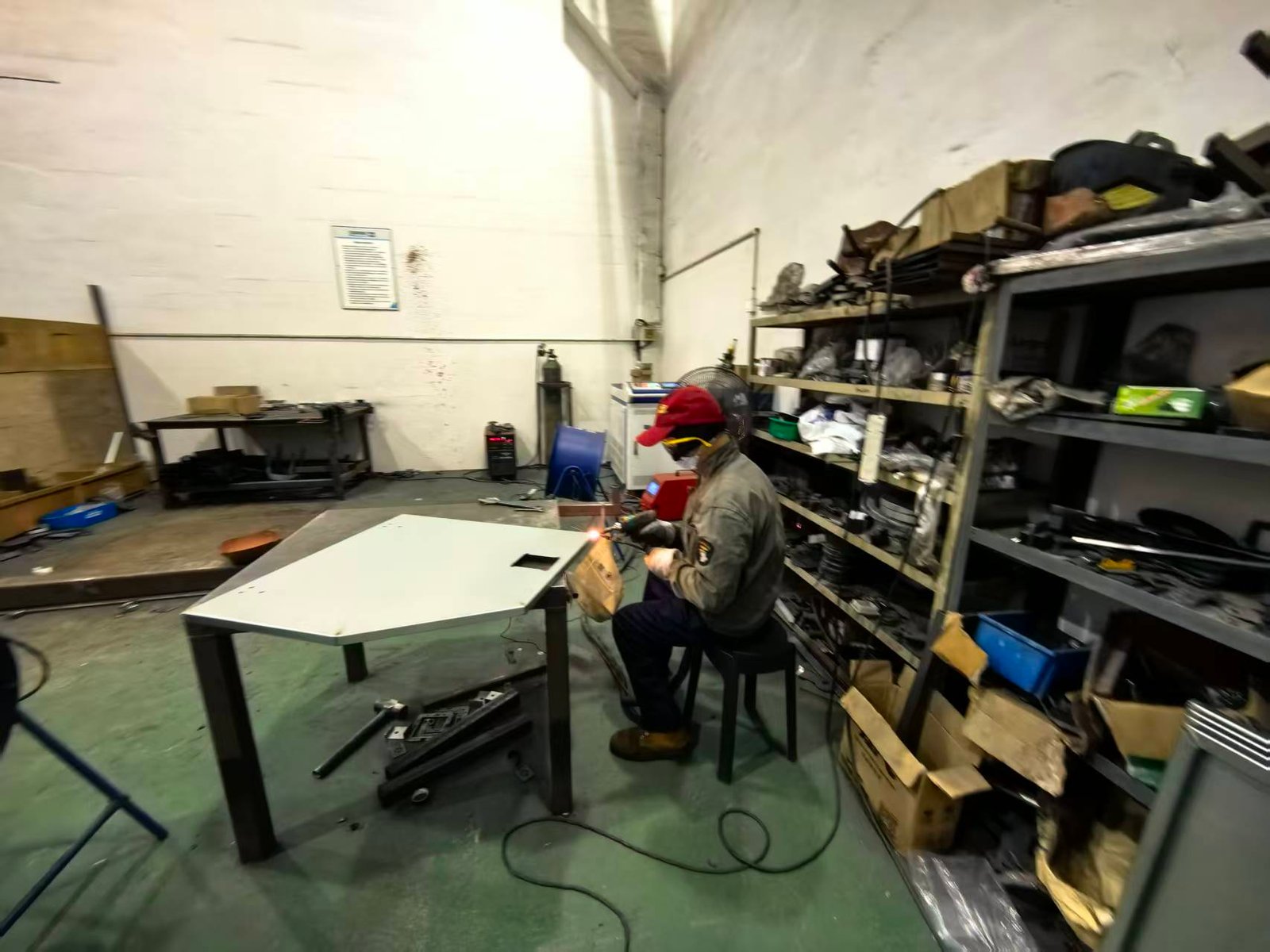
3. Welding the Chassis and Enclosure
Welding joins the main structural parts of the trailer, enclosure and mounting system. The workshop team follows the design dimensions and checks the position of key interfaces before completing the structure.
The chassis must accommodate the axle, drawbar, stabilisers, mast, enclosure and internal equipment. The enclosure also needs suitable access panels, ventilation openings and mounting points.
After welding, technicians inspect the structure and prepare the surfaces for the next stage. Sharp edges, welding residue and uneven areas should be corrected before coating.
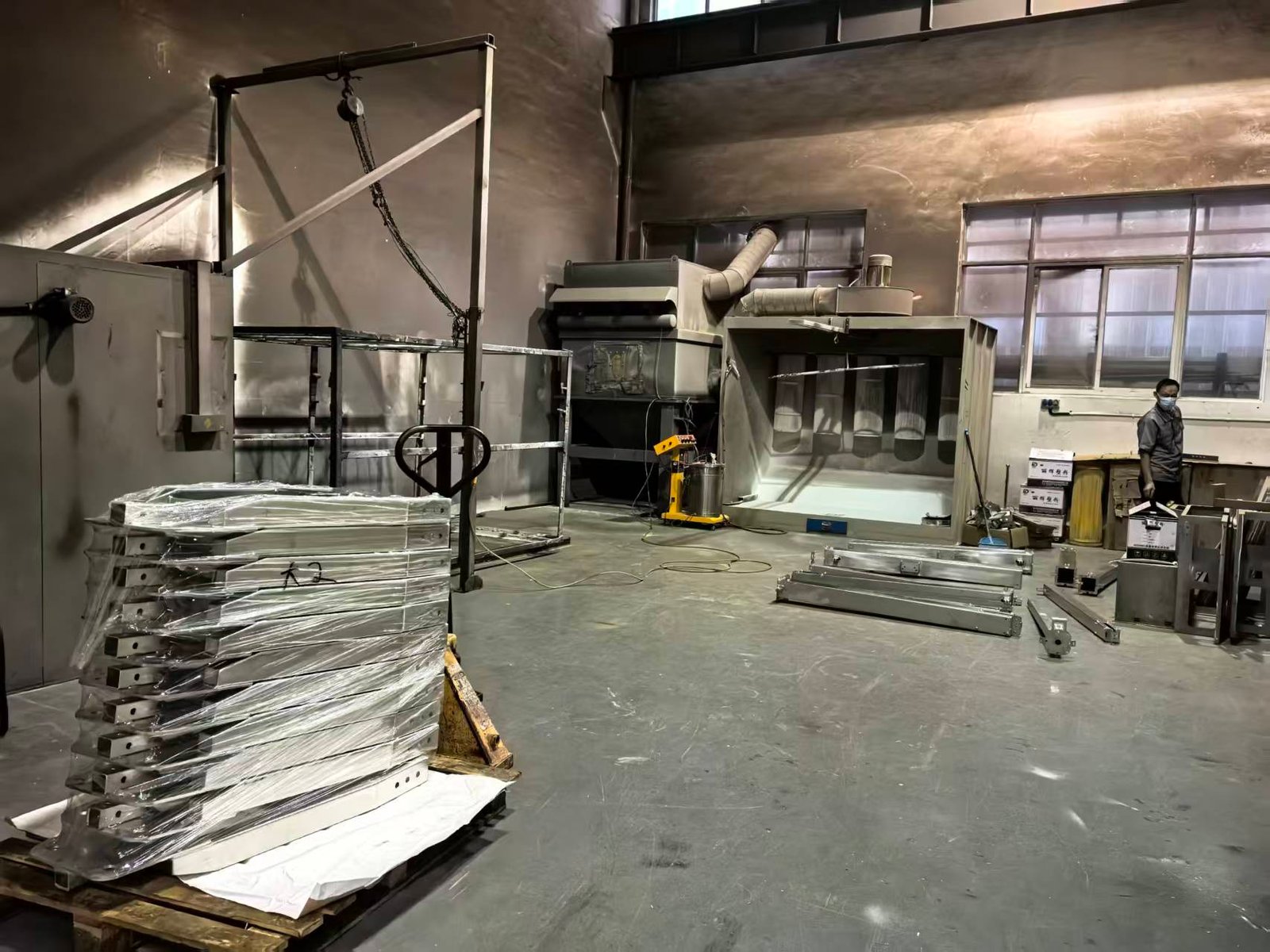
4. Surface Preparation and Coating
Outdoor equipment is exposed to rain, dust, sunlight, mud and frequent handling. Surface preparation and coating therefore play an important role in protecting metal components.
Depending on the component and production process, preparation may include cleaning, grinding, blasting or other treatment before coating. A controlled spray or powder-coating area helps apply an even finish while managing dust and overspray.
Coating quality should be checked around edges, welds, ventilation openings, hinges and other detailed areas. Colour can also be adapted for distributors or project customers without changing the core mechanical structure of a mature model.
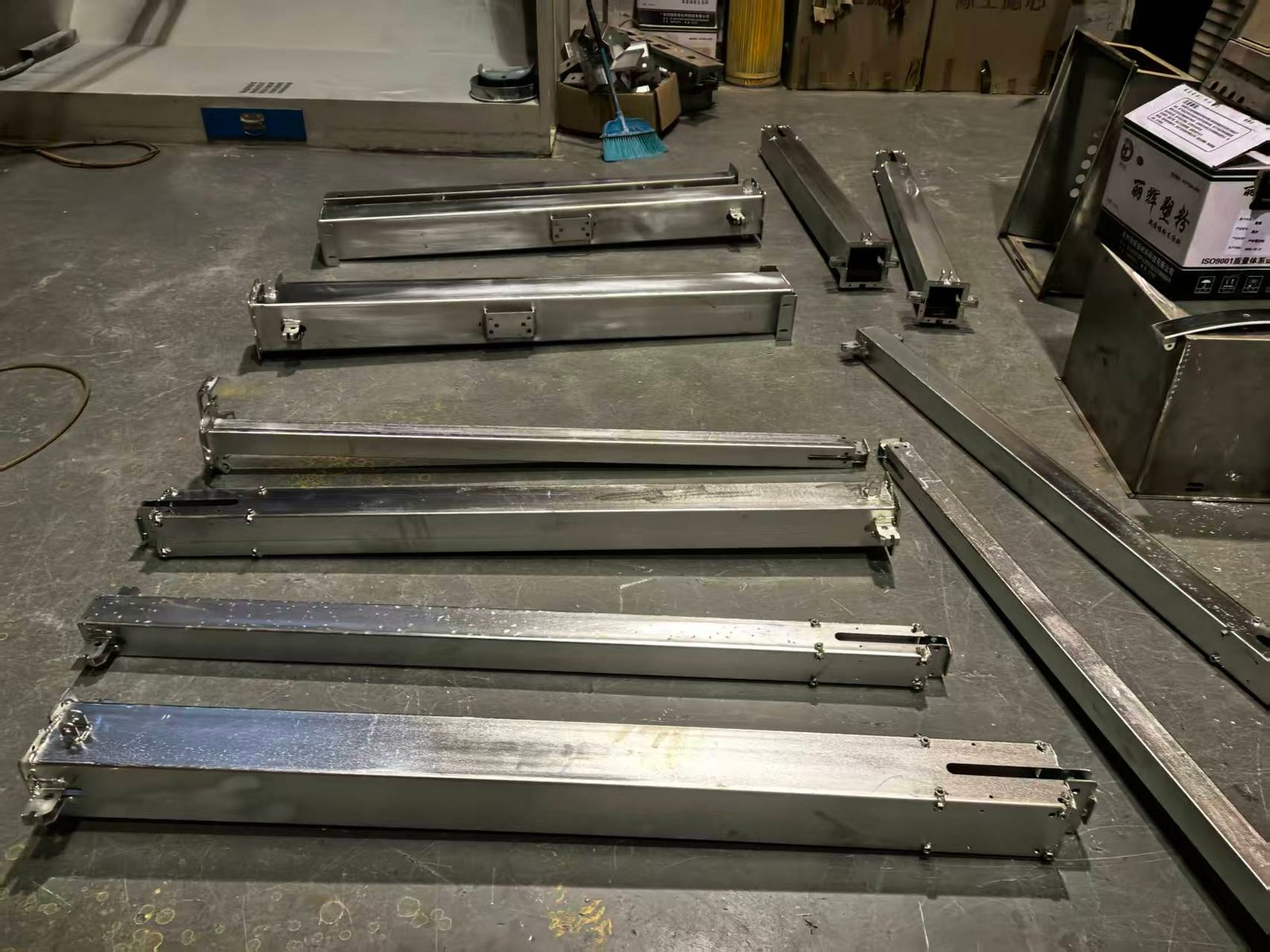
5. Mast and Stabiliser Preparation
The mast is one of the most visible and mechanically important systems on a lighting tower. Telescopic sections, cables, pulleys, locking points, brackets and the lifting mechanism must work together smoothly.
Manual, electric, pneumatic and hydraulic masts use different operating components, but every system requires correct alignment and secure attachment. Stabiliser assemblies also need accurate fabrication so they can extend, lock and support the chassis as intended.
Buyers should confirm that the mast height, light head, chassis and stabilisers belong to one complete, established configuration. Selecting a taller mast without reviewing the rest of the structure is not a sound purchasing approach.
6. Mechanical and Electrical Assembly
Once coated parts are ready, technicians install the major mechanical and electrical components. Depending on the model, these may include:
- Engine and generator set
- Fuel tank or battery system
- Solar panels and charging equipment
- Mast lifting system
- LED floodlights or surveillance equipment
- Control panel and emergency stop
- Wiring, connectors and protective devices
- Axle, wheels, drawbar and stabilisers
Component placement should allow practical inspection and maintenance. Cables and hoses need suitable routing and protection, especially near moving parts, access doors and the mast.
7. Functional Inspection
Before delivery, the completed unit should be checked against the confirmed specification. The exact inspection items depend on the model, but a practical review can include:
- General workmanship and finish
- Fasteners and locking points
- Doors, panels and service access
- Mast raising and lowering operation
- Stabiliser extension and adjustment
- Light head positioning
- Controls and emergency stop
- Lighting and electrical functions
- Engine, generator, solar or battery operation as applicable
- Labels, manuals and supplied accessories
Any wind, stability or performance information should apply to the exact configuration being supplied. Buyers should request model-specific documents rather than relying only on general marketing statements.
Confirm Inspection, Documents and Delivery Scope
A useful supplier review should connect every claim to the exact model and ordered configuration. Before ordering, ask the quotation to identify:
- The functional checks completed for the mast, lighting, controls and applicable power system
- The model-specific manuals, drawings, test records or other documents available for the quoted configuration
- Packing method, shipping scope, destination requirements, lead time, warranty scope and recommended spare parts
Document availability and inspection scope depend on the model, configuration and destination and should be confirmed with the quotation.
Compare Current Light Tower ModelsRequest Model Documents & PricingEvaluate LUMTA as a Project Supplier
8. Packing and Delivery Planning
Production is not complete until the tower can be transported efficiently and received in usable condition. The supplier should confirm operating dimensions, packed dimensions and any components that must be removed for container loading.
If the mast, wheels, drawbar or stabilisers are packed separately, the buyer should receive clear assembly information. For multi-unit orders, loading plans also help estimate container requirements and destination handling work.
What Buyers Should Ask the Manufacturer
- Which parts are manufactured in-house?
- Is the quoted model a mature standard configuration?
- How are welded structures inspected before coating?
- What surface preparation and coating process is used?
- How are mast and stabiliser functions checked?
- Which electrical and power-system checks are completed?
- What documents and spare parts are supplied?
- How will the units be packed for transport?
Clear answers make it easier to compare suppliers on more than price.
A Complete Product Is the Result of a Complete Process
A reliable mobile lighting tower is built through a sequence of controlled steps. Design preparation, accurate fabrication, structural welding, surface treatment, careful assembly and functional inspection all contribute to the final result.
LUMTA supplies diesel, solar and hybrid mobile lighting towers for construction, mining, roadwork, rental, emergency and remote-site projects. Tell us your application, operating hours, mast requirements, destination and quantity, and our team can recommend a practical configuration.
Contact LUMTA for a mobile light tower quotation.
From factory process to project configuration
Compare the current mobile light tower range, review project-based supplier support, and use the quotation information checklist before requesting a configuration.